
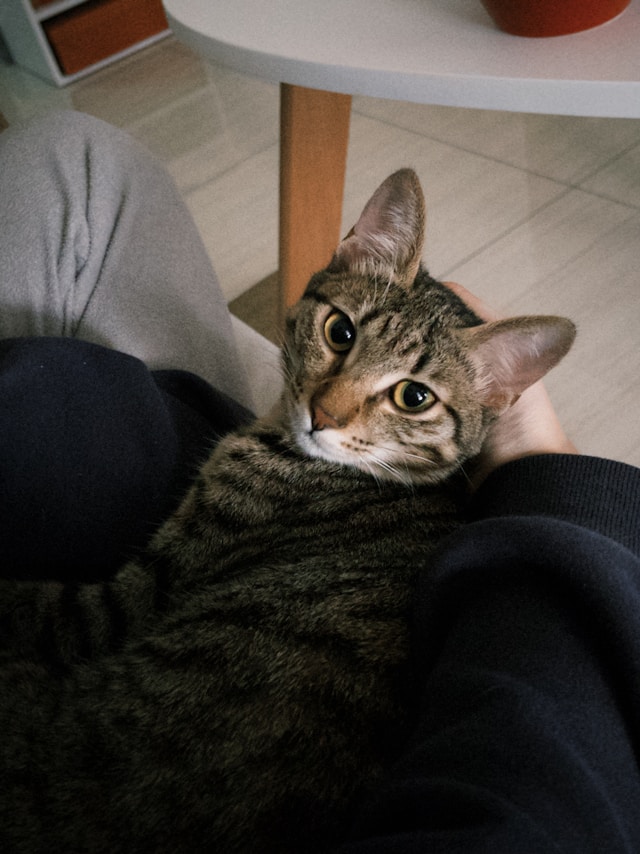
Laura Elin Pigott writes of what owning a cat does to your brain (and theirs):
Cats may have a reputation for independence, but emerging research suggests we share a unique connection with them – fuelled by brain chemistry.
The main chemical involved is oxytocin, often called the love hormone. It’s the same neurochemical that surges when a mother cradles her baby or when friends hug, fostering trust and affection. And now studies are showing oxytocin is important for cat-human bonding too.
Oxytocin plays a central role in social bonding, trust and stress regulation in many animals, including humans. One 2005 experiment showed that oxytocin made human volunteers significantly more willing to trust others in financial games.
…
A February 2025 study found that when owners engaged in relaxed petting, cuddling or cradling of their cats, the owners’ oxytocin tended to rise, and so did the cats’ – if the interaction was not forced on the animal.
The researchers monitored oxytocin in cats during 15 minutes of play and cuddling at home with their owner. Securely attached cats who initiated contact such as lap-sitting or nudging showed an oxytocin surge. The more time they spent close to their humans, the greater the boost.
See Laura Elin Pigott, What owning a cat does to your brain (and theirs), The Conversation, September 12, 2025.