
Anderson, Cartoons & Comics, Cats
Amazing
by JOHN ADAMS •
Good morning.
Wednesday will be partly sunny with a high of thirty-one.
Whitewater’s Community Development Authority meets tonight at 5 PM.
On this day in 1620, the Mayflower docks at Plymouth Harbor:
On November 11, 1620, the Mayflower anchored at what is now Provincetown Harbor, Cape Cod. Before going ashore, 41 male passengers–heads of families, single men and three male servants–signed the famous Mayflower Compact, agreeing to submit to a government chosen by common consent and to obey all laws made for the good of the colony.
Over the next month, several small scouting groups were sent ashore to collect firewood and scout out a good place to build a settlement. Around December 10, one of these groups found a harbor they liked on the western side of Cape Cod Bay. They returned to the Mayflower to tell the other passengers, but bad weather prevented them from docking until December 18. After exploring the region, the settlers chose a cleared area previously occupied by members of a local Native American tribe, the Wampanoag.
The tribe had abandoned the village several years earlier, after an outbreak of European disease. That winter of 1620-1621 was brutal, as the Pilgrims struggled to build their settlement, find food and ward off sickness. By spring, 50 of the original 102 Mayflower passengers were dead. The remaining settlers made contact with returning members of the Wampanoag tribe and in March they signed a peace treaty with a tribal chief, Massasoit. Aided by the Wampanoag, especially the English-speaking Squanto, the Pilgrims were able to plant crops–especially corn and beans–that were vital to their survival. The Mayflower and its crew left Plymouth to return to England on April 5, 1621.
Puzzability‘s Christmas series continues today:
|
This Week’s Game — December 16-20
|
|||||
|
Do You Hear What I Hear?
|
|||||
|
Hark, the puzzling angels sing. For each day this week, we started with a well-known lyric from a Christmas carol. Then, for the day’s clue, we broke it down into a series of words that, when said in order, sounds like the original lyric. You’ll probably need to say the words out loud to get the answers.
|
|||||
|
Example:
|
|||||
|
Easy, shoe, veinier, cell, he, pink
|
|||||
|
Answer:
|
|||||
|
He sees you when you’re sleeping (from “Santa Claus Is Coming to Town”)
|
|||||
|
What to Submit:
|
|||||
|
Submit the lyric (as “He sees you when you’re sleeping” in the example) for your answer.
|
|||||
 |
|||||
|
Wednesday, December 18
|
|||||
|
Into The Atmosphere from Michael Shainblum on Vimeo.
Good morning.
We will have an even chance of snow this Tuesday morning, with a high for the day of twenty-nine.
Whitewater’s Alcohol Licensing Review Committee meets at 6:10 PM, and Common Council meets at 6:30 PM.
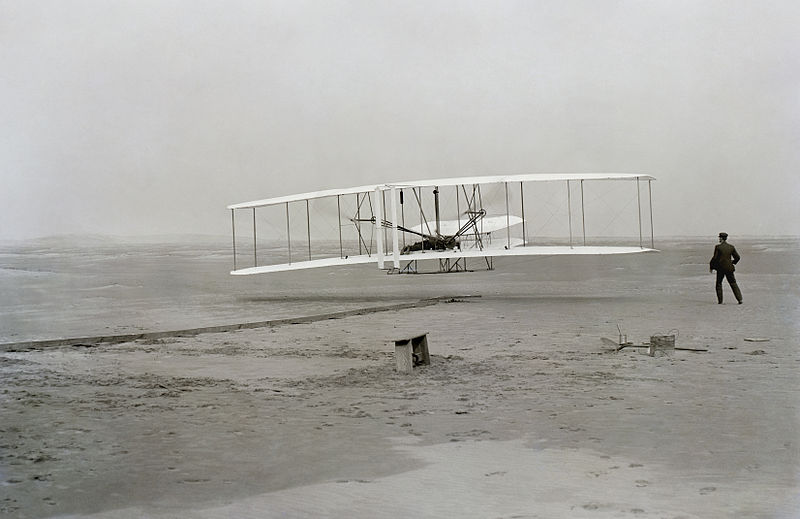
On this day in 1903, the Wright Brothers achieve a technological triumph: the first ‘controlled, powered and sustained heavier-than-air human flight.’
Here’s Puzzability’s puzzle for Tuesday:
|
This Week’s Game — December 16-20
|
|||||
|
Do You Hear What I Hear?
|
|||||
|
Hark, the puzzling angels sing. For each day this week, we started with a well-known lyric from a Christmas carol. Then, for the day’s clue, we broke it down into a series of words that, when said in order, sounds like the original lyric. You’ll probably need to say the words out loud to get the answers.
|
|||||
|
Example:
|
|||||
|
Easy, shoe, veinier, cell, he, pink
|
|||||
|
Answer:
|
|||||
|
He sees you when you’re sleeping (from “Santa Claus Is Coming to Town”)
|
|||||
|
What to Submit:
|
|||||
|
Submit the lyric (as “He sees you when you’re sleeping” in the example) for your answer.
|
|||||
|
|||||
|
Tuesday, December 17
|
|||||
|
A few months ago, during a public meeting, a commissioner mentioned that an applicant and the applicant’s neighbors might have done more to communicate with each other. (I thought that was true, too; as it turned out, there was a great deal of communication in the weeks afterward, all to the good.)
It’s not true, though, that Whitewater – generally – has a communications problem. Nor do residents have a relationship-building problem.
Whitewater has email and telephones and the Internet. We don’t lack for the ability to communicate, nor are people incapable of forming relationships, bonds, and alliances once having become acquainted.
When public agendas don’t contain enough information, when public meetings are held at inconvenient times or places, when public men treat their boards, commissions, and organizations as though they were private clubs, those are not communications problems.
Those are problems of law and governance, of policy and politics, of primary principles not secondary means. Their causes run deeper than mere ignorance or poor socialization. Policymakers know very well how to communicate the messages that they want, and to build the relationships that they want.
Admittedly, many of these messages are ill-considered, contradictory, and easily refuted, but they are messages, delivered as their speakers intended. The last generation knew how to communicate and relationship-build just fine, thank you. Their problem has been that their content and choices have been poor.
Our supposed communications problem is really an ideological problem: the use of public things for private ends, the exaltation of personality over policy, and hopelessly exaggerated claims in the place of simple achievements.
These real, underlying problems will vanish when a more competitive, principle-based majority comes to the fore.
They will vanish no sooner, but also no later, than that.
Good morning.
Monday brings snow, about an inch or two, and a high of seventeen.
There’s an overwhelming response to the question whether a market should be in the business of Reselling Stolen Meat? — 89.09% of respondents said no, the market should not resell.
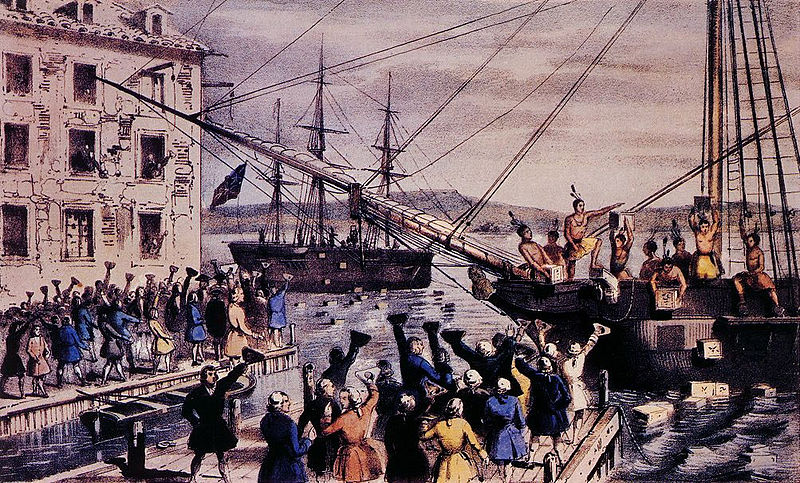
On this day in 1773, there’s a Boston Tea Party.
Puzzability begins a Christmas-themed series this week:
|
This Week’s Game — December 16-20
|
|||||
|
Do You Hear What I Hear?
|
|||||
|
Hark, the puzzling angels sing. For each day this week, we started with a well-known lyric from a Christmas carol. Then, for the day’s clue, we broke it down into a series of words that, when said in order, sounds like the original lyric. You’ll probably need to say the words out loud to get the answers.
|
|||||
|
Example:
|
|||||
|
Easy, shoe, veinier, cell, he, pink
|
|||||
|
Answer:
|
|||||
|
He sees you when you’re sleeping (from “Santa Claus Is Coming to Town”)
|
|||||
|
What to Submit:
|
|||||
|
Submit the lyric (as “He sees you when you’re sleeping” in the example) for your answer.
|
|||||
|
|||||
|
Monday, December 16
|
|||||
|
Good morning.
Sunday will be partly sunny with a high of fifteen. Northwest winds at 10 to 15 mph with lead to wind chill values of five to ten below.
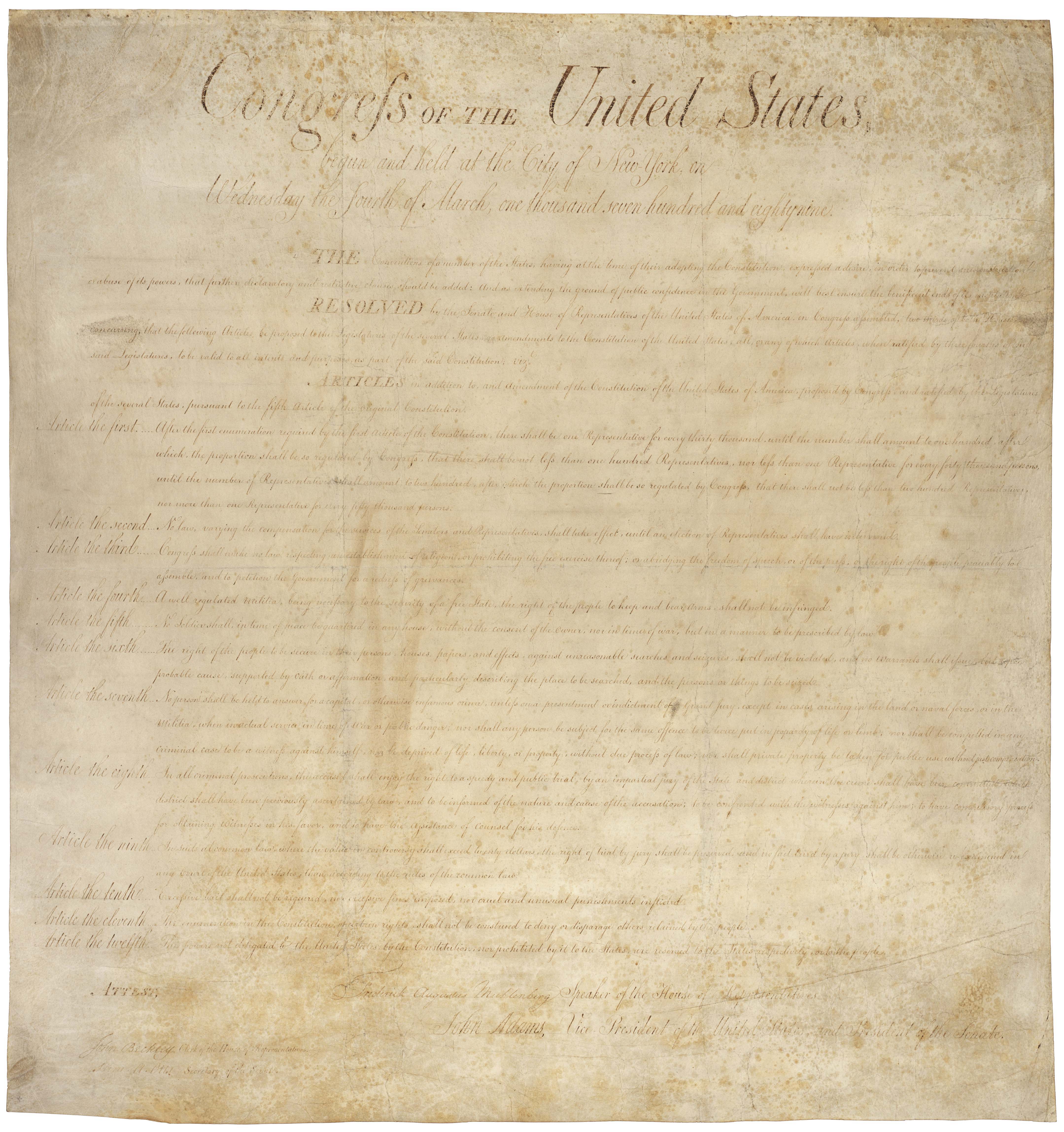
It’s Bill of Rights Day, as the Bill of Rights came into effect as the first ten amendments to the Constitution on 12.15.1791, following ratification by three-quarters of the states.
On 12.15.1847, Wisconsin’s Second Constitutional Convention convenes:
1847 – Wisconsin’s Second Constitutional Convention Convenes in Madison
On this date the first draft of the Wisconsin Constitution was rejected in 1846. As a result, Wisconsin representatives met again to draft a new constitution in 1847. New delegates were invited, and only five delegates attended both conventions. The second convention used the failed 1846 constitution as a springboard for their own, but left out controversial issues such as banking and property rights for women that the first constitution attempted to address. The second constitution included a proposal to let the people of Wisconsin vote on a referendum designed to approve black suffrage. [Source: Attainment of Statehood by Milo M. Quaife]


