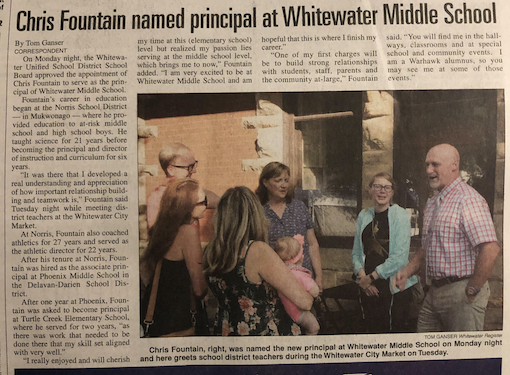
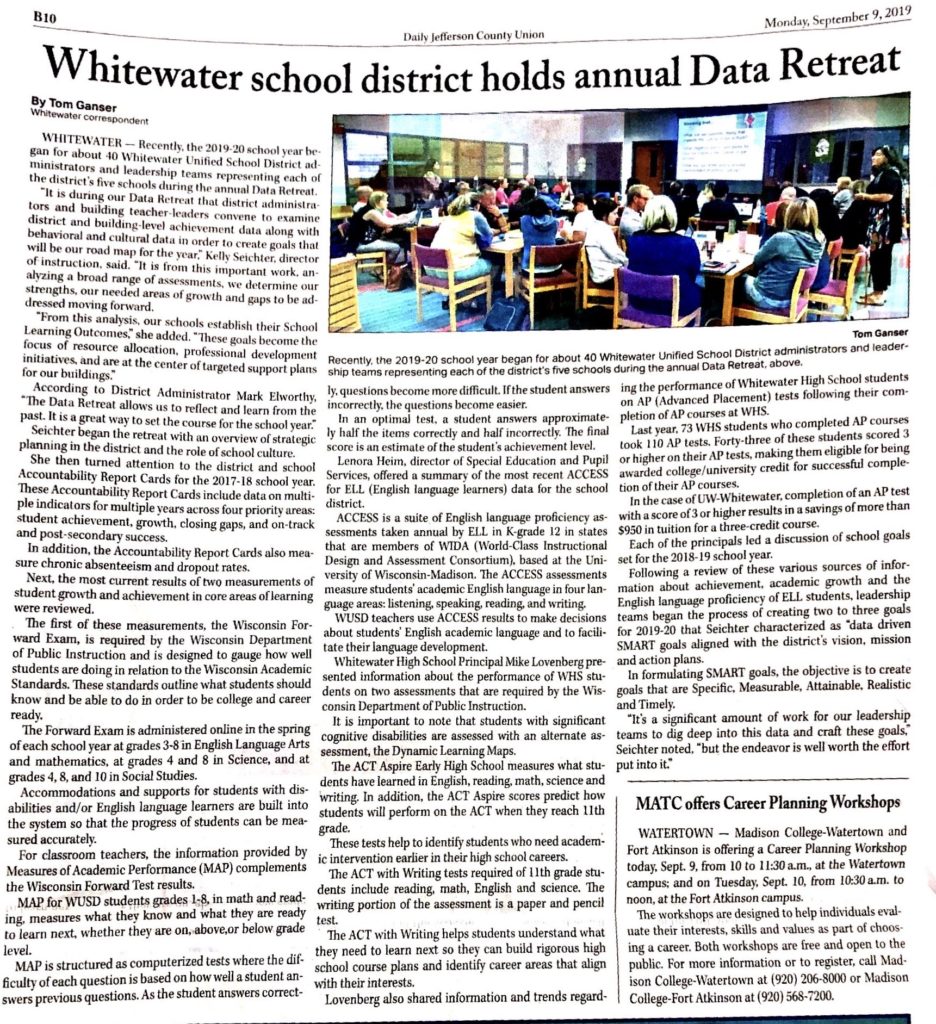
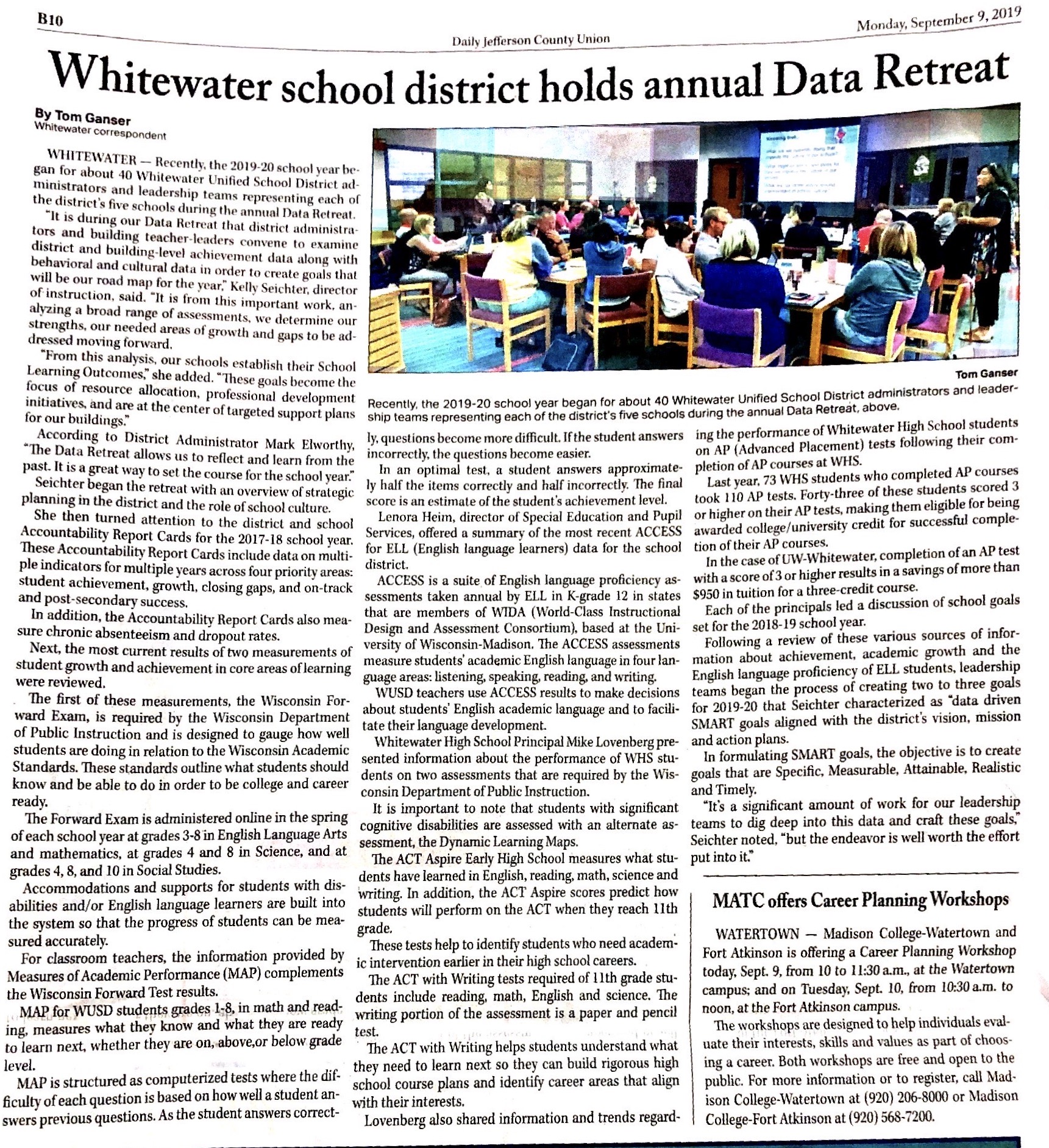
In conditions of real injury, in which truth-telling is important, tale-weaving about irrelevant matters is worse than wasteful: it’s a misdirection from the significant to the insignificant. Three recent stories illustrate the critical difference between these approaches.
As a truth-telling story, Hope Kirwan of Wisconsin Public Radio reports ‘Students Deserve To Be Heard’: UW-La Crosse Student Shares New Details On Harassment Claim Response:
A University of Wisconsin-La Crosse student who accused a professor of sexual harassment says more students have come forward with similar complaints.
UW-La Crosse student Caycee Bean detailed the alleged harassment in a public Facebook post Sept. 4. She also voiced her frustrations with the university’s lack of communication about the investigation into her report.
In a new statement this week, Bean said she has heard from several students who had similar experiences with the same professor and one or more people have brought complaints to the university.
UW-La Crosse Chancellor Joe Gow confirmed with Wisconsin Public Radio that additional information about the professor’s conduct has been brought to the university by other people since Bean posted her experience on Facebook. A university spokesman said no formal complaints have been filed against the professor at this time. Gow declined a request from WPR to answer further questions.
The new statement from Bean also provided further details about her experience and UW-La Crosse’s response.Bean, who plans to graduate this spring, said she made a report to university officials in March about an incident of sexual harassment by a professor that happened during her freshman year in spring 2015.
By contrast, two recent tale-weaving stories from the Janesville Gazette (Beleckis, Jonah as reporter; Schwartz, Sid as editor) about Whitewater focus on the trivial.
In Night walks, masks and navigating new spaces: Meet UW-Whitewater’s new chancellor, the Gazette tells a pretty tale about UW-Whitewater’s new chancellor, Dwight Watson, but in about 500 words of story-telling, it’s biography, not issues, that appear on the page:
Dwight Watson likes to walk at night.
Sometimes when he’s restless, he’ll go out at midnight or 1 a.m.
It’s therapeutic for him.
Watson is new to the area—he started this month as UW-Whitewater’s 17th chancellor.
(In an accompanying – and edited – brief six-minute video, the Gazette‘s reporter asks only one follow-up question (and that’s about someone’s name, not a substantive issue). If other follow up questions were asked, then they didn’t make the online version. Instead, when the chancellor makes declarative statements, the reporter leaves them unquestioned. See Gazette interview with UW-Whitewater Chancellor Dwight Watson.)
In UW-Whitewater’s police chief heads up a task force on crime statistics, the same Gazette reporter never asks Chief Kiederlen about the wide gap between a claim of crime-statistics expertise and UW-Whitewater’s use – on the main page of its website – of a counterfeit study to claim it’s the safest campus in Wisconsin. See The Marketing of Misinformation: UW-Whitewater’s Use of a Counterfeit ‘Campus Safety’ Study. Either these men think the study is legitimate (in which case they’re experts only in third-tier public relations), or they know it’s junk, in which case they’re ineffectual in the face of others’ third-tier public relations.
Whitewater needs more truth-telling and less tale-weaving: the earned path to light tales runs through serious truths.