
Author Archive for JOHN ADAMS
City, Elections, Local Government, School District
The April 7th Election Results
by JOHN ADAMS •
A quick summary of results across the state and near Whitewater suggests that while voters may be concerned, or even worried, they’re not angry. If voters were angry, more incumbents would have been defeated. That didn’t happen.
The same state that re-elected Gov. Walker last year re-elected Justice Bradley last night. Those two have little in common, except perhaps an ability to win a clear majority in support of their continued service. If voters were significantly angry, or motivated only one way ideologically, they wouldn’t, both of them, have won.
That was true locally, too. (All of the results that I cite are, as yet, unofficial.)
Common Council. Patrick Singer and Stephanie Abbott were returned to office (At-Large and District 5, respectively). Neither was opposed; both won comfortably. In particular, Patrick Singer’s 903 votes citywide was a solid showing. (Mr. Singer ran ahead of the leading, contested judicial candidate on the local ballot. A significant number of voters in that race re-elected him regardless of their ideological differences over the candidates for high-court justice.)
The other two races followed a predictable result: Patrick Wellnitz ran as a write-in for District 1, but it’s hard for write-ins to do well against an on-ballot candidate, as winning candidate Craig Stauffer was. (The race went 210-54 for Mr. Stauffer.)
In the Third District, Chris Grady easily defeated Ken Kienbaum, 166-74. I’d guess there’s almost no one in the city who saw that result as a surprise.
Whitewater Schools. I’ll preface these remarks with the disclaimer that I supported Kelly Davis and Dan McCrea.
Last night’s overall results were Davis 1498, McCrea 1061, and Stewart 1038. Specific results from the City of Whitewater & the Town of Whitewater reflected this same order among the candidates.
Having worked hard to visit and speak widely across the district, and demonstrating a diligent and stylish campaign, Mrs. Davis won a seat on the school board easily. With a much lower campaign profile, Mr. McCrea was re-elected to his current position.
Kelly Davis replaces Thayer Coburn, who chose not to run again. She had his endorsement in the race, and likely represents a general agreement with much of his perspective, and all of his solid role on the board. Having listened to her speak more than once, I’ve no doubt that she will set her own course, based on her judgment of the issues before the district. She’s personable, but forthright and clear in her own views.
The race illustrates something about these April 7th elections: voters will favor energetic newcomers, but also be unwilling to unseat capable incumbents. Mrs. Davis was the former, Mr. McCrea the latter. It’s hard to break past that combination.
There’s also something funny, really, about calling Mrs. Davis a newcomer; she’s been here for years, after all, and is known to many for her community and charitable work. It’s only from a lingering, but fading, view of community life that she would be called a newcomer.
Institutional Support. There’s a significant benefit of having individual supporters who will help knock on doors, place signs, talk to friends, etc. I doubt, though, that there’s much value for local candidates in support from bigger groups, such as the landlords’ and realtors’ lobby, for example. Yard signs on their properties may have had value years ago, but for city races now they probably hurt as much, or more, than they help.
I don’t think this contention is clear among some town notables yet, but after a couple of local elections to come, I think it will be better understood.
It’s probably better to run with a cross-section of residents as supporters than with larger businessmen’s support. Those sort of larger groups can pressure local government (often quite effectively), but they’ve far less clout with the overall electorate. Their support is closer to a net loss than a net gain, even now.
Change comes slowly, but Whitewater’s politics is different now from what it was like a decade ago. It seems probable to me that it’s not done changing.
We’ve challenging, different, and altogether interesting times ahead.
Anderson, Cartoons & Comics
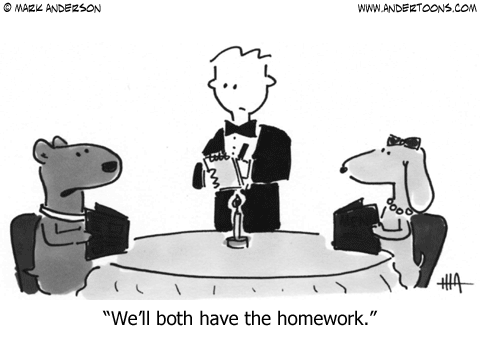
What They’re Having
by JOHN ADAMS •
Daily Bread
Daily Bread for 4.8.15
by JOHN ADAMS •
Good morning, Whitewater.
We’ll have a cloudy Wednesday, with a high of fifty, and a likelihood of rain tonight. Sunrise is 6:23 and sunset 7:29, for 13h 05m 49s of daytime. The moon is a waning gibbous with 85.2% of its visible disk illuminated.
On this day in 1974, Hank Aaron sets a new record:
…Hank Aaron of the Atlanta Braves hits his 715th career home run, breaking Babe Ruth’s legendary record of 714 homers. A crowd of 53,775 people, the largest in the history of Atlanta-Fulton County Stadium, was with Aaron that night to cheer when he hit a 4th inning pitch off the Los Angeles Dodgers’ Al Downing. However, as Aaron was an African American who had received death threats and racist hate mail during his pursuit of one of baseball’s most distinguished records, the achievement was bittersweet.
Henry Louis Aaron Jr., born in Mobile, Alabama, on February 5, 1934, made his Major League debut in 1954 with the Milwaukee Braves, just eight years after Jackie Robinson broke baseball’s color barrier and became the first African American to play in the majors. Aaron, known as hard working and quiet, was the last Negro league player to also compete in the Major Leagues. In 1957, with characteristically little fanfare, Aaron, who primarily played right field, was named the National League’s Most Valuable Player as the Milwaukee Braves won the pennant. A few weeks later, his three home runs in the World Series helped his team triumph over the heavily favored New York Yankees. Although “Hammerin’ Hank” specialized in home runs, he was also an extremely dependable batter, and by the end of his career he held baseball’s career record for most runs batted in: 2,297.
Aaron’s playing career spanned three teams and 23 years. He was with the Milwaukee Braves from 1954 to 1965, the Atlanta Braves from 1966 to 1974 and the Milwaukee Brewers from 1975 to 1976. He hung up his cleats in 1976 with 755 career home runs and went on to become one of baseball’s first African-American executives, with the Atlanta Braves, and a leading spokesperson for minority hiring. Hank Aaron was inducted into the Baseball Hall of Fame in 1982.
Here’s the Wednesday game in Puzzability‘s Cross Talk series:
|
This Week’s Game — April 6-10
|
||||||||||||||
|
Cross Talk
|
||||||||||||||
|
We expect to have a series of guessed hosts this week at the Daily Post. For each day, we’ll give a three-by-three letter grid in which we’ve hidden the name of a TV talk show host with 10 or more letters. To find the name, start at any letter and move from letter to letter by traveling to any adjacent letter—across, up and down, or diagonally. You may come back to a letter you’ve used previously, but may not stay in the same spot twice in a row. You will not always need all nine letters in the grid.
|
||||||||||||||
|
Example:
|
||||||||||||||
|
||||||||||||||
|
Answer:
|
||||||||||||||
|
Jimmy Kimmel
|
||||||||||||||
|
What to Submit:
|
||||||||||||||
|
Submit the host’s name (as “Jimmy Kimmel” in the example) for your answer.
|
||||||||||||||
 |
||||||||||||||
|
Wednesday, April 8
|
||||||||||||||
|


Elections
The Day After Today
by JOHN ADAMS •
It’s Tuesday, April 7th, an election day across Wisconsin.
The day after today is Wednesday, April 8th, a work day across America.
That’s as it should be: the day after today’s election, and for so many days thereafter, there will be work to do.
Film
Film: The History of the MGM Lion Logo
by JOHN ADAMS •
Daily Bread
Daily Bread for 4.7.15
by JOHN ADAMS •
Good morning, Whitewater.
Tuesday in town will be cloudy with a high of forty-seven. Sunrise is 6:25 and sunset 7:28, for 13h 02m 58s of daytime. The moon is a waning gibbous with 91.7% of its visible disk illuminated.
Downtown Whitewater’s board meets this morning at 8 AM.
On April 7, 1776, America captures her first British warship:
On this day in 1776, Navy Captain John Barry, commander of the American warship Lexington, makes the first American naval capture of a British vessel when he takes command of the British warship HMS Edward off the coast of Virginia. The capture of the Edward and its cargo turned Captain Barry into a national hero and boosted the morale of the Continental forces.
Barry was born in the seaboard county of Wexford, Ireland, in 1745 and offered his services to the Continental Congress upon the outbreak of the American Revolution. Congress purchased Barry’s ship, Black Prince, which it renamed Alfred and placed under the command of Commodore Esek Hopkins. It was the first ship to fly the American flag, raised by John Paul Jones.
Barry served with distinction throughout the American Revolution. At sea, he had continued success with the Lexington. On land, he raised a volunteer force to assist General Washington in the surprisingly successful Trenton, New Jersey, campaign of 1776-77. On May 29, 1781, Barry was wounded while successfully capturing the HMS Atlanta and the HMS Trepassy while in command of a new ship, Alliance. He recovered and successfully concluded the final naval battle of the Revolutionary War with a victory over the HMS Sybylle in March 1783.
On April 7, 1970, it’s a first for the Brewers:
1970 – The Milwaukee Brewers’ First Game
On this date the Milwaukee Brewers, one of the many organized sports teams in Wisconsin, played their first game against the California Angels in front of 37,237 enthusiastic fans at County Stadium. [Source: Brewers’ History page]
Here’s the Tuesday game in Puzzability‘s Cross Talk series:
|
This Week’s Game — April 6-10
|
||||||||||||||
|
Cross Talk
|
||||||||||||||
|
We expect to have a series of guessed hosts this week at the Daily Post. For each day, we’ll give a three-by-three letter grid in which we’ve hidden the name of a TV talk show host with 10 or more letters. To find the name, start at any letter and move from letter to letter by traveling to any adjacent letter—across, up and down, or diagonally. You may come back to a letter you’ve used previously, but may not stay in the same spot twice in a row. You will not always need all nine letters in the grid.
|
||||||||||||||
|
Example:
|
||||||||||||||
|
||||||||||||||
|
Answer:
|
||||||||||||||
|
Jimmy Kimmel
|
||||||||||||||
|
What to Submit:
|
||||||||||||||
|
Submit the host’s name (as “Jimmy Kimmel” in the example) for your answer.
|
||||||||||||||
|
||||||||||||||
|
Tuesday, April 7
|
||||||||||||||
|


Nature
Yellowstone by Moonlight
by JOHN ADAMS •
Elections, Local Government, School District
Tomorrow’s Election
by JOHN ADAMS •
In the city and the state, there are important races on the ballot tomorrow. These are challenging times for Wisconsin and for Whitewater, and the choices we make will influence how smooth or difficult is the work ahead.
For our school board, particularly, we’ll need a combination of energy, diligence, thoughtful analysis, contemporary-thinking, and a thorough familiarity with the issues facing the district. No one running is (as I am) a libertarian; that doesn’t matter.
What matters is that we’ll have board members able to navigate detailed work over many months, putting in long hours, and all that time exercising a sound understanding of how to prioritize scarce resources.
Doing all this without knotting press and public office together, and without confusing showy municipal projects for actual residents’ gains, is critical.
Voters in the district may choose two from the list of three candidates.
This makes Whitewater’s better path one that elects Kelly Davis and Dan McCrea. I’m supporting Kelly Davis and Dan McCrea for school board, and I hope you will, too.
Elections are about the future, of course, but also the past and present: these results will show something of our current situation, and how effective the next years on our school board will be.
Previously: On School Board Candidate Jim Stewart, On School Board Candidate Dan McCrea, On School Board Candidate Kelly Davis, and On the Whitewater Schools.
Music
Monday Music: Lux Lisbon, Keep Me Wild
by JOHN ADAMS •
Daily Bread
Daily Bread for 4.6.15
by JOHN ADAMS •
Good morning, Whitewater.
Monday will be increasingly cloudy with a high of fifty-eight. Sunrise is 6:27 and sunset 7:27, for 13h 00m 07s of daytime. The moon is a waning gibbous with 96.4% of its visible disk illuminated.
On this day in 1906, Admiral Peary claims to have reached the North Pole. He probably came very close:
Robert Edwin Peary, Sr. (May 6, 1856 – February 20, 1920) was an American explorer who claimed to have reached the geographic North Pole with his expedition on April 6, 1909. Peary’s claim was widely credited for most of the 20th century, rather than the competing claim by Frederick Cook, who said he got there a year earlier. Both claims were widely debated in newspapers until 1913.
Modern historians generally think Cook did not reach the pole. Based on an evaluation of Peary’s records, Wally Herbert (also a polar explorer) concluded in a 1989 book that Peary did not reach the pole, although he may have been as close as 60 miles (97 km). His conclusions have been widely accepted.[1]
The first undisputed explorers to walk on the North Pole ice were documented in 1969 during a British expedition led by British explorer Wally Herbert (see the list of firsts in the Geographic North Pole).
On this day in 1831, the Sauk leave Wisconsin & Illinois:
On this date, in the spring of 1831, the Sauk Indians led by Chief Keokuk left their ancestral home near the mouth of the Rock River and moved across the Mississippi River to Iowa to fulfill the terms of a treaty signed in 1804. Many of the tribe, however, believed the treaty to be invalid and the following spring, when the U.S. government failed to provide them with promised supplies, this dissatisfied faction led by Black Hawk returned to their homeland on the Rock River, precipitating the Black Hawk War. [Source:History Just Ahead: A Guide to Wisconsin’s Historical Markers, edited by Sarah Davis McBride]
Puzzability begins a new weekly series today, entitled Cross Talk:
|
This Week’s Game — April 6-10
|
|||||||||
|
Cross Talk
|
|||||||||
|
We expect to have a series of guessed hosts this week at the Daily Post. For each day, we’ll give a three-by-three letter grid in which we’ve hidden the name of a TV talk show host with 10 or more letters. To find the name, start at any letter and move from letter to letter by traveling to any adjacent letter—across, up and down, or diagonally. You may come back to a letter you’ve used previously, but may not stay in the same spot twice in a row. You will not always need all nine letters in the grid.
|
|||||||||
|
Example:
|
|||||||||
|
|||||||||
|
Answer:
|
|||||||||
|
Jimmy Kimmel
|
|||||||||
|
What to Submit:
|
|||||||||
|
Submit the host’s name (as “Jimmy Kimmel” in the example) for your answer.
|
Film, Holiday, Religion
Happy Easter: An Easter Weekend in Rome
by JOHN ADAMS •
An Easter Weekend in Rome from Gunther Machu on Vimeo.
Daily Bread
Daily Bread for 4.5.15
by JOHN ADAMS •
Good morning, Whitewater.
We will have a mild and partly sunny Easter in Whitewater, with a high of sixty-three. Sunrise is 6:28 and sunset 7:25, for 12h 57m 16s of daytime. It’s a full moon, with 99.1% of the moon’s visible disk illuminated.
For the third year out of four, in the FREE WHITEWATER Easter candy poll, Chocolate Rabbits are respondents’ candy favorite. These rabbits just won’t be denied.
On this day in 1792, it’s a presidential first:
George Washington exercises the first presidential veto of a Congressional bill on this day in 1792. The bill introduced a new plan for dividing seats in the House of Representatives that would have increased the amount of seats for northern states. After consulting with his politically divided and contentious cabinet, Washington, who came from the southern state of Virginia, ultimately decided that the plan was unconstitutional because, in providing for additional representatives for some states, it would have introduced a number of representatives higher than that proscribed by the Constitution.
After a discussion with the president, Jefferson wrote in a letter that votes for or against the bill were divided along perfectly geographical lines between the North and South. Jefferson observed that Washington feared that a veto would incorrectly portray him as biased toward the South. In the end, Jefferson was able to convince the president to veto the bill on the grounds that it was unconstitutional and introduced principles that were liable to be abused in the future. Jefferson suggested apportionment instead be derived from arithmetical operation, about which no two men can ever possibly differ.” Washington’s veto sent the bill back to Congress. Though representatives could have attempted to overrule the veto with a two-thirds vote, Congress instead threw out the original bill and instituted a new one that apportioned representatives at “the ratio of one for every thirty-three thousand persons in the respective States.”
Washington exercised his veto power only one other time during his two terms in office. In February 1797, the former commanding general of the Continental Army vetoed an act that would have reduced the number of cavalry units in the army.
On this day in 1860, Wisconsin responds to Virginia:
On this date, with the threat of civil war hanging in the air, John F. Potter, a Wisconsin representative in Congress, was challenged to a duel by Virgina representative Roger Pryor. Potter, a Northern Republican, had become a target of Southerners during heated debates over slavery. After one exchange, Pryor challenged Potter to a duel and Potter, as the one challenged, specified that bowie knives be used at a distance of four feet. Pryor refused and Potter became famous in the anti-slavery movement. Two years later, when Republicans convened in Chicago, Potter was given a seven foot blade as a tribute; the knife hung with pride during all the sessions of the convention. Before his death, Potter remembered the duel and proclaimed, “I felt it was a national matter – not any private quarrel – and I was willing to make sacrifices.” [Source: Badger Saints and Sinners, by Fred L. Holmes]
Daily Bread
Daily Bread for 4.4.15
by JOHN ADAMS •
Good morning, Whitewater.
Easter Saturday in town will be sunny with a high of fifty-seven. Sunrise is 6:30 and sunset 7:24, for 12h 54m 23s of daytime. We’ve a full moon.
Photos of the lunar eclipse from earlier this morning are available @ Space.com:
Total Lunar Eclipse Photos for April 4, 2015
On this day in 1968, Dr. King was assassinated in Memphis. He was thirty-nine.
On this day in 1865, Union soldiers continued their pursuit across Virginia of Gen. Lee’s retreating army:
1865 – (Civil War) Confederate leaders reach Amelia Court House, Virginia
The 5th, 6th, 7th, 19th, 36th, 37th and 38th Wisconsin Infantry regiments were among the troops pursuing Confederate General Robert E. Lee across Virginia after the fall of Richmond. On this day the two sides reached the town of Amelia Court House, but the Confederates withdrew before a battle began.