
Author Archive for JOHN ADAMS
Poll
Friday Poll: Eggnog?
by JOHN ADAMS •
Today’s poll’s a simple one – Eggnog: yes or no?

I’ll say no. What do you think?
Daily Bread
Daily Bread for 12.20.13
by JOHN ADAMS •
Good morning.
Friday will bring periods of freezing rain and a high of thirty.
School’s canceled – play responsibly.
Earlier this month, at Lake Superior, they had a winter waterspout – a snownado (of which few have ever been photographed):
On this day in 1803, the French turn New Orleans over to America.
Puzzability‘s Christmas-song puzzle series wraps today:
|
This Week’s Game — December 16-20
|
|||||
|
Do You Hear What I Hear?
|
|||||
|
Hark, the puzzling angels sing. For each day this week, we started with a well-known lyric from a Christmas carol. Then, for the day’s clue, we broke it down into a series of words that, when said in order, sounds like the original lyric. You’ll probably need to say the words out loud to get the answers.
|
|||||
|
Example:
|
|||||
|
Easy, shoe, veinier, cell, he, pink
|
|||||
|
Answer:
|
|||||
|
He sees you when you’re sleeping (from “Santa Claus Is Coming to Town”)
|
|||||
|
What to Submit:
|
|||||
|
Submit the lyric (as “He sees you when you’re sleeping” in the example) for your answer.
|
|||||
 |
|||||
|
Friday, December 20
|
|||||
|


Animals, Holiday
A Dog’s Christmas Gift
by JOHN ADAMS •
Daily Bread
Daily Bread for 12.19.13
by JOHN ADAMS •
Good morning.
There’s a forty-percent chance of freezing rain in the late afternoon, with a high for the day of thirty-one.
Whitewater’s Tech Park Board meets today at 9 AM.
On this day in 1776, Thomas Paine publishes the first portion of The American Crisis. The essays begin with one of Paine’s most memorable descriptions: ‘These are the times that try men’s souls: The summer soldier and the sunshine patriot will, in this crisis, shrink from the service of his country; but he that stands by it now, deserves the love and thanks of man and woman.’
Here’s the Thursday edition of Puzzability‘s Christmas-themed series:
|
This Week’s Game — December 16-20
|
|||||
|
Do You Hear What I Hear?
|
|||||
|
Hark, the puzzling angels sing. For each day this week, we started with a well-known lyric from a Christmas carol. Then, for the day’s clue, we broke it down into a series of words that, when said in order, sounds like the original lyric. You’ll probably need to say the words out loud to get the answers.
|
|||||
|
Example:
|
|||||
|
Easy, shoe, veinier, cell, he, pink
|
|||||
|
Answer:
|
|||||
|
He sees you when you’re sleeping (from “Santa Claus Is Coming to Town”)
|
|||||
|
What to Submit:
|
|||||
|
Submit the lyric (as “He sees you when you’re sleeping” in the example) for your answer.
|
|||||
|
|||||
|
Thursday, December 19
|
|||||
|

Animals, Sports
The Hockey-Watching Dog
by JOHN ADAMS •
City, Local Government, Press
An Enduring Value of Local News
by JOHN ADAMS •
One of the pleasures of reading local press accounts of a meeting in Whitewater is that through those stories one sees how local insiders want to be portrayed. It’s as close to an official’s Dear Diary entry as one is likely to find.
Readers will discover clues to the concerns, preoccupations, and worries of politicians and appointees in the parentheticals the newspaper helpfully and reassuringly inserts in otherwise embarrassing accounts.
If there’s mention of how an official failed to fulfill a contractual promise, one will read immediately following a mention of one excuse or another (for example, the freely-entered agreement was all so hard, so very difficult, you see).
There’s been a long history of this, in all sorts of local stories, many of these parentheticals being flimsy excuses, others being officials’ deliberate distortions or lies.
These excuses are the work of a mediocre clique, struggling to manage tasks beyond their ability. Can’t do this, won’t do that, might do this, just did that: it’s an assortment of rationalizations for indolence or incompetency, mixed with exaggerations and mendacity.
It’s revealing of officials’ preoccupations.
Still, nothing someone writes or says on their behalf can change the dynamic within the city, as those doing poorly cannot improve themselves through a newspaper account. Asides in print will not wash away poor performance and poor choices.
That’s the fundamental misunderstanding about local news and commentary, both: it’s truly powerful only when it corresponds to what people know to be true, from their own experiences, their awareness of history, and the principles of reasoning on which they know they may depend.
The rest is just a variation on ‘the dog ate my homework’ or ‘I caught a fish this big.’
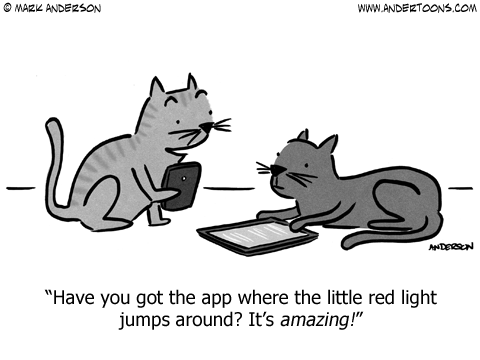
Anderson, Cartoons & Comics, Cats
Amazing
by JOHN ADAMS •
Public Meetings
Community Development Authority
by JOHN ADAMS •
Daily Bread
Daily Bread for 12.18.13
by JOHN ADAMS •
Good morning.
Wednesday will be partly sunny with a high of thirty-one.
Whitewater’s Community Development Authority meets tonight at 5 PM.
On this day in 1620, the Mayflower docks at Plymouth Harbor:
On November 11, 1620, the Mayflower anchored at what is now Provincetown Harbor, Cape Cod. Before going ashore, 41 male passengers–heads of families, single men and three male servants–signed the famous Mayflower Compact, agreeing to submit to a government chosen by common consent and to obey all laws made for the good of the colony.
Over the next month, several small scouting groups were sent ashore to collect firewood and scout out a good place to build a settlement. Around December 10, one of these groups found a harbor they liked on the western side of Cape Cod Bay. They returned to the Mayflower to tell the other passengers, but bad weather prevented them from docking until December 18. After exploring the region, the settlers chose a cleared area previously occupied by members of a local Native American tribe, the Wampanoag.
The tribe had abandoned the village several years earlier, after an outbreak of European disease. That winter of 1620-1621 was brutal, as the Pilgrims struggled to build their settlement, find food and ward off sickness. By spring, 50 of the original 102 Mayflower passengers were dead. The remaining settlers made contact with returning members of the Wampanoag tribe and in March they signed a peace treaty with a tribal chief, Massasoit. Aided by the Wampanoag, especially the English-speaking Squanto, the Pilgrims were able to plant crops–especially corn and beans–that were vital to their survival. The Mayflower and its crew left Plymouth to return to England on April 5, 1621.
Puzzability‘s Christmas series continues today:
|
This Week’s Game — December 16-20
|
|||||
|
Do You Hear What I Hear?
|
|||||
|
Hark, the puzzling angels sing. For each day this week, we started with a well-known lyric from a Christmas carol. Then, for the day’s clue, we broke it down into a series of words that, when said in order, sounds like the original lyric. You’ll probably need to say the words out loud to get the answers.
|
|||||
|
Example:
|
|||||
|
Easy, shoe, veinier, cell, he, pink
|
|||||
|
Answer:
|
|||||
|
He sees you when you’re sleeping (from “Santa Claus Is Coming to Town”)
|
|||||
|
What to Submit:
|
|||||
|
Submit the lyric (as “He sees you when you’re sleeping” in the example) for your answer.
|
|||||
|
|||||
|
Wednesday, December 18
|
|||||
|

Film, Nature
Film: Into the Atmosphere
by JOHN ADAMS •
Into The Atmosphere from Michael Shainblum on Vimeo.
Daily Bread
Daily Bread for 12.17.13
by JOHN ADAMS •
Good morning.
We will have an even chance of snow this Tuesday morning, with a high for the day of twenty-nine.
Whitewater’s Alcohol Licensing Review Committee meets at 6:10 PM, and Common Council meets at 6:30 PM.
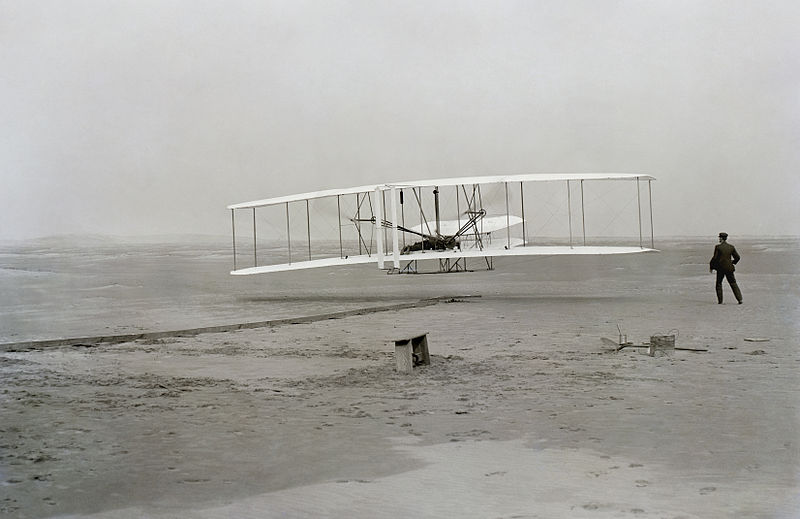
On this day in 1903, the Wright Brothers achieve a technological triumph: the first ‘controlled, powered and sustained heavier-than-air human flight.’
Here’s Puzzability’s puzzle for Tuesday:
|
This Week’s Game — December 16-20
|
|||||
|
Do You Hear What I Hear?
|
|||||
|
Hark, the puzzling angels sing. For each day this week, we started with a well-known lyric from a Christmas carol. Then, for the day’s clue, we broke it down into a series of words that, when said in order, sounds like the original lyric. You’ll probably need to say the words out loud to get the answers.
|
|||||
|
Example:
|
|||||
|
Easy, shoe, veinier, cell, he, pink
|
|||||
|
Answer:
|
|||||
|
He sees you when you’re sleeping (from “Santa Claus Is Coming to Town”)
|
|||||
|
What to Submit:
|
|||||
|
Submit the lyric (as “He sees you when you’re sleeping” in the example) for your answer.
|
|||||
|
|||||
|
Tuesday, December 17
|
|||||
|

City, Corporate Welfare, Local Government, Open Government, Politics
It’s Not a Communications Problem
by JOHN ADAMS •
A few months ago, during a public meeting, a commissioner mentioned that an applicant and the applicant’s neighbors might have done more to communicate with each other. (I thought that was true, too; as it turned out, there was a great deal of communication in the weeks afterward, all to the good.)
It’s not true, though, that Whitewater – generally – has a communications problem. Nor do residents have a relationship-building problem.
Whitewater has email and telephones and the Internet. We don’t lack for the ability to communicate, nor are people incapable of forming relationships, bonds, and alliances once having become acquainted.
When public agendas don’t contain enough information, when public meetings are held at inconvenient times or places, when public men treat their boards, commissions, and organizations as though they were private clubs, those are not communications problems.
Those are problems of law and governance, of policy and politics, of primary principles not secondary means. Their causes run deeper than mere ignorance or poor socialization. Policymakers know very well how to communicate the messages that they want, and to build the relationships that they want.
Admittedly, many of these messages are ill-considered, contradictory, and easily refuted, but they are messages, delivered as their speakers intended. The last generation knew how to communicate and relationship-build just fine, thank you. Their problem has been that their content and choices have been poor.
Our supposed communications problem is really an ideological problem: the use of public things for private ends, the exaltation of personality over policy, and hopelessly exaggerated claims in the place of simple achievements.
These real, underlying problems will vanish when a more competitive, principle-based majority comes to the fore.
They will vanish no sooner, but also no later, than that.